

For Those Whose Healing Is Critical.
Seattle Hand to Shoulder Therapy.
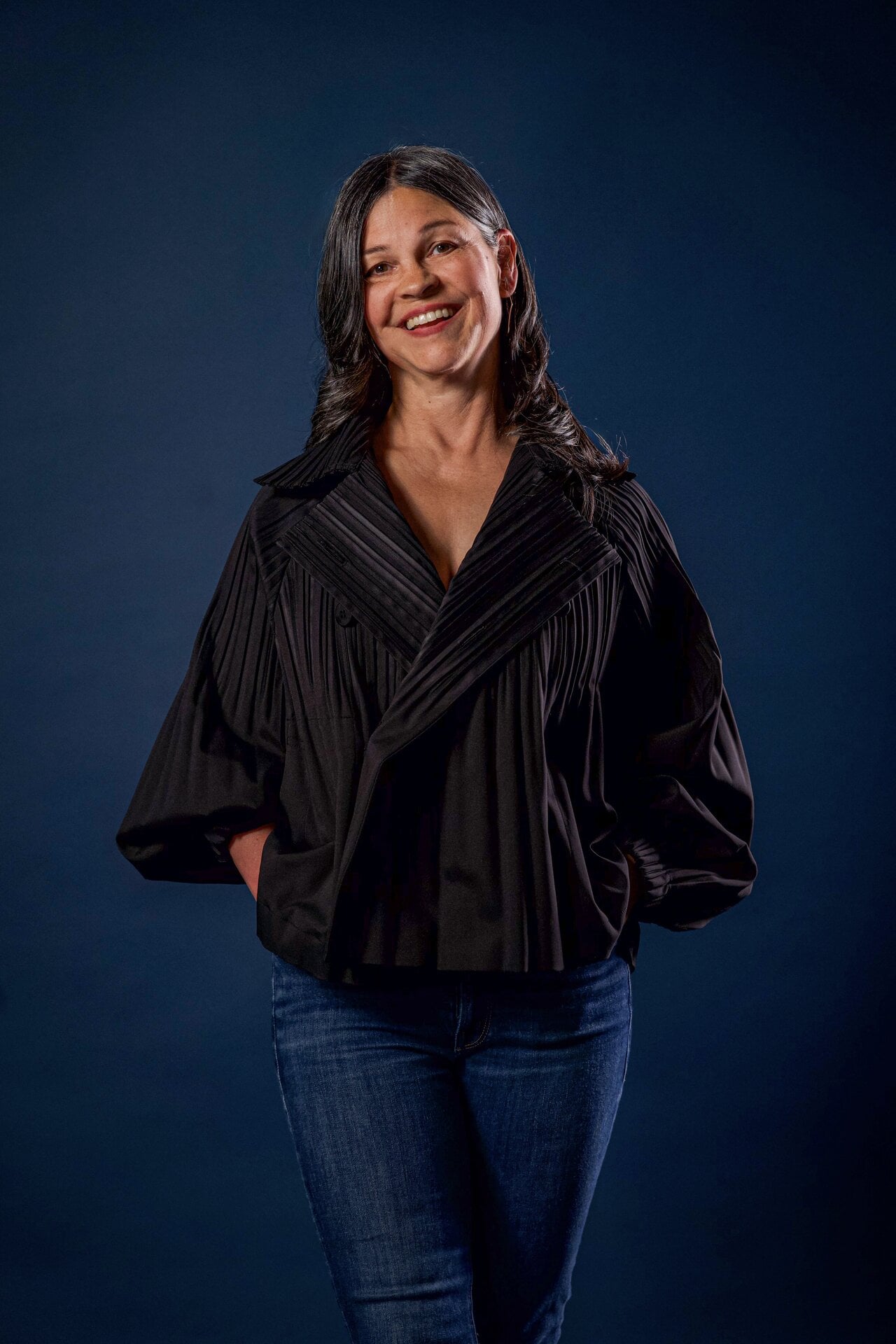
Molly Allison, M.S. OTR/L, CHT, SMS
I provide expert, individualized care for musicians, athletes, and technology professionals who rely on their hands, arms, and shoulders every day.
My Approach
Your Upper Extremities Are Part of a Whole System.
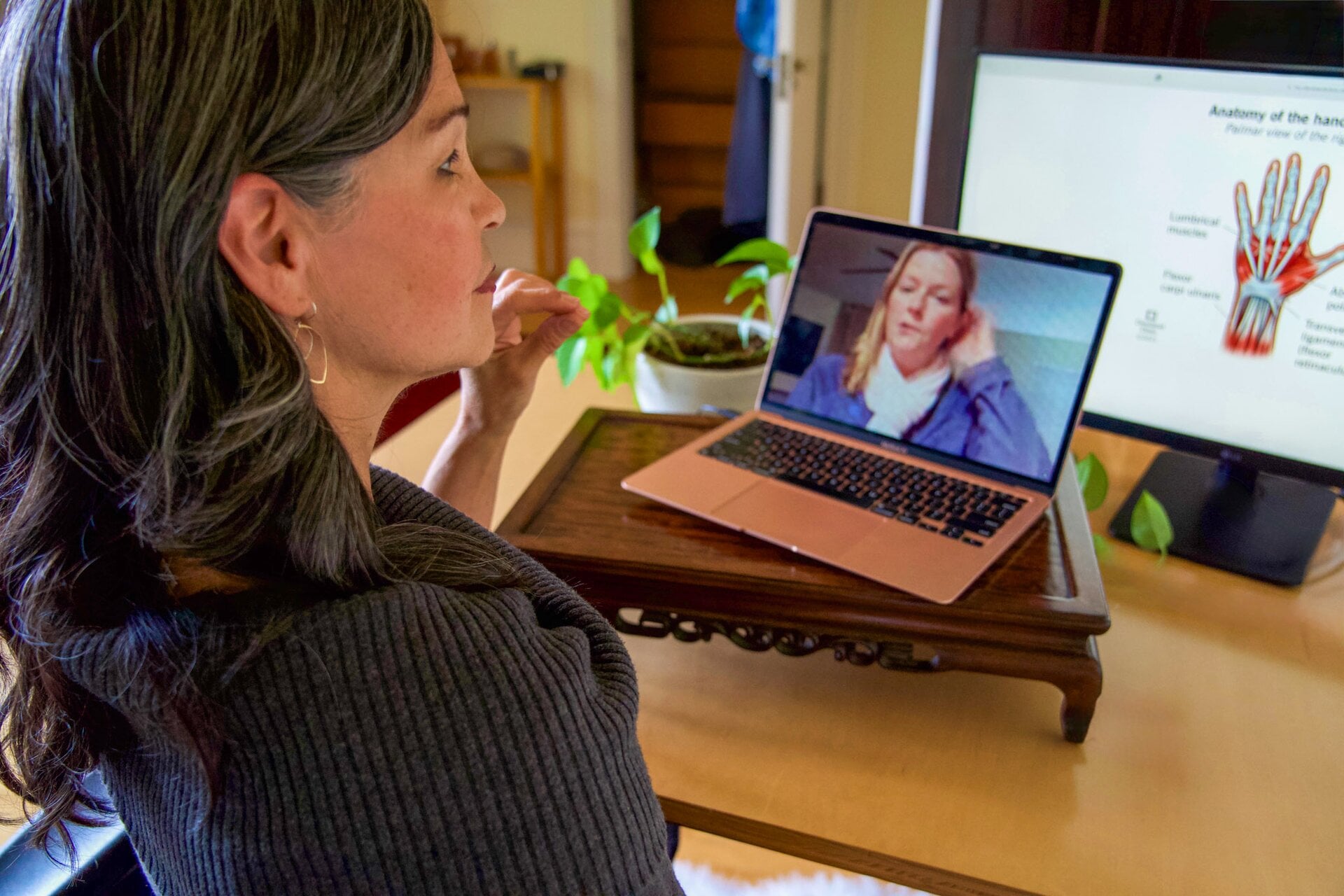
My approach to upper-extremity care is holistic: I consider the whole body as a connected system.
After becoming a Certified Hand to Shoulder Therapist, I completed a four-year Structural Medicine program that changed the way I evaluate movement, strain, and function. I work with the global myofascial system because it can have a tremendous impact on the tools you depend on—your hands, arms, and shoulders.
Who I Help
Care Built Around What You Do.
The demands are different, but the goal is the same: understand what is limiting you and create a plan that fits the way you perform, work, and live.
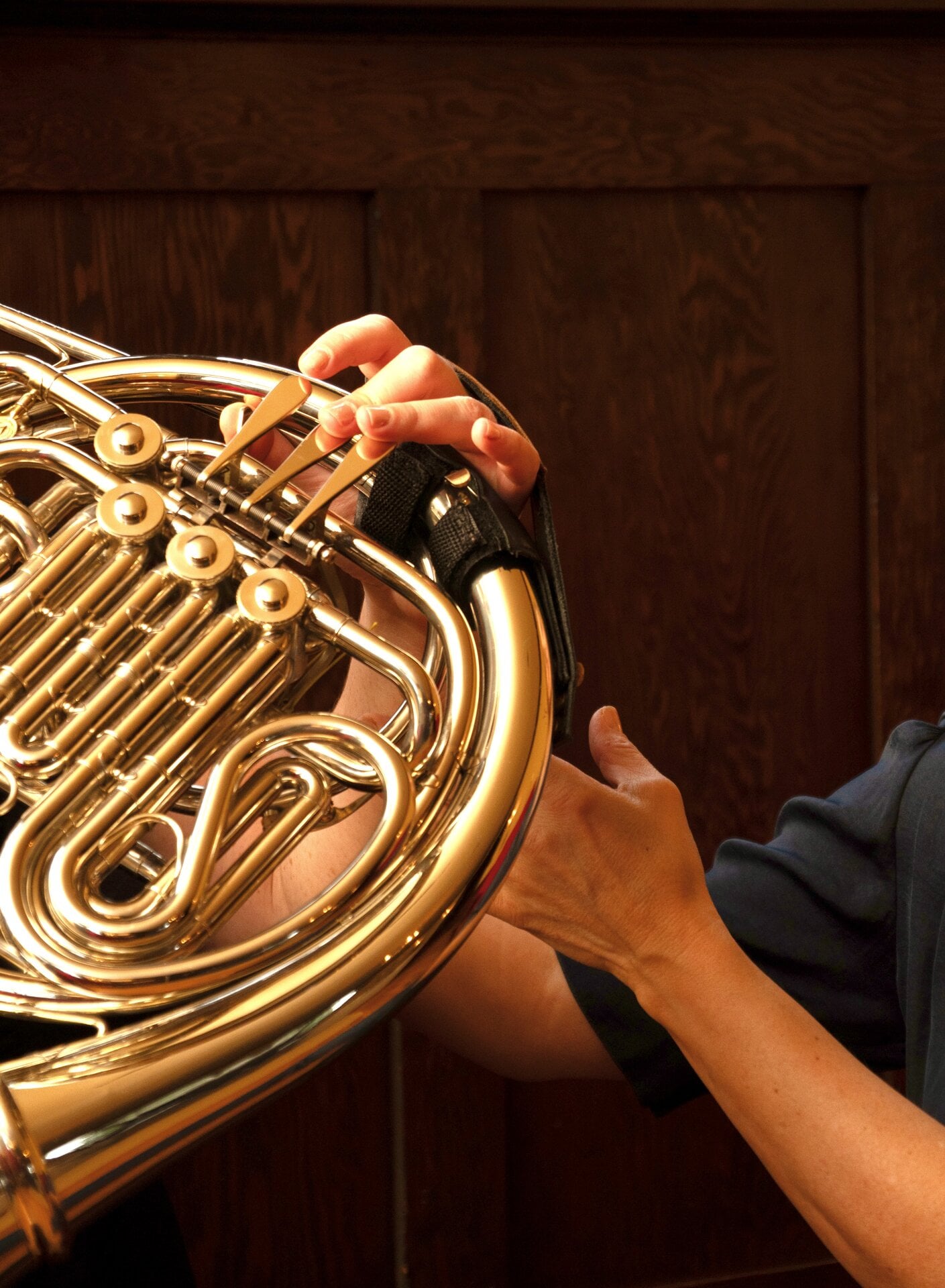
Musicians
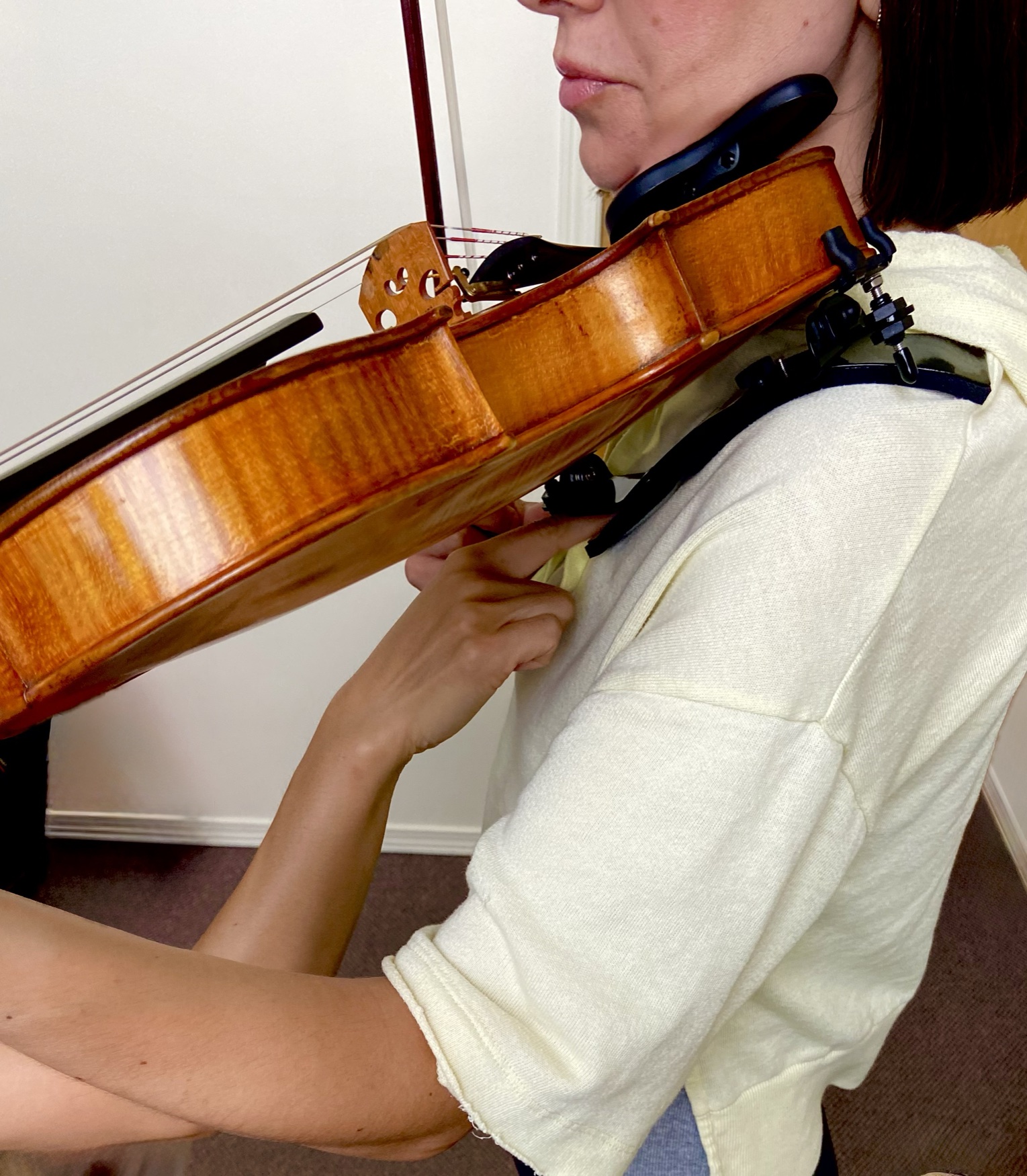
Care that considers technique, endurance, instrument demands, and the precise movement your performance requires.
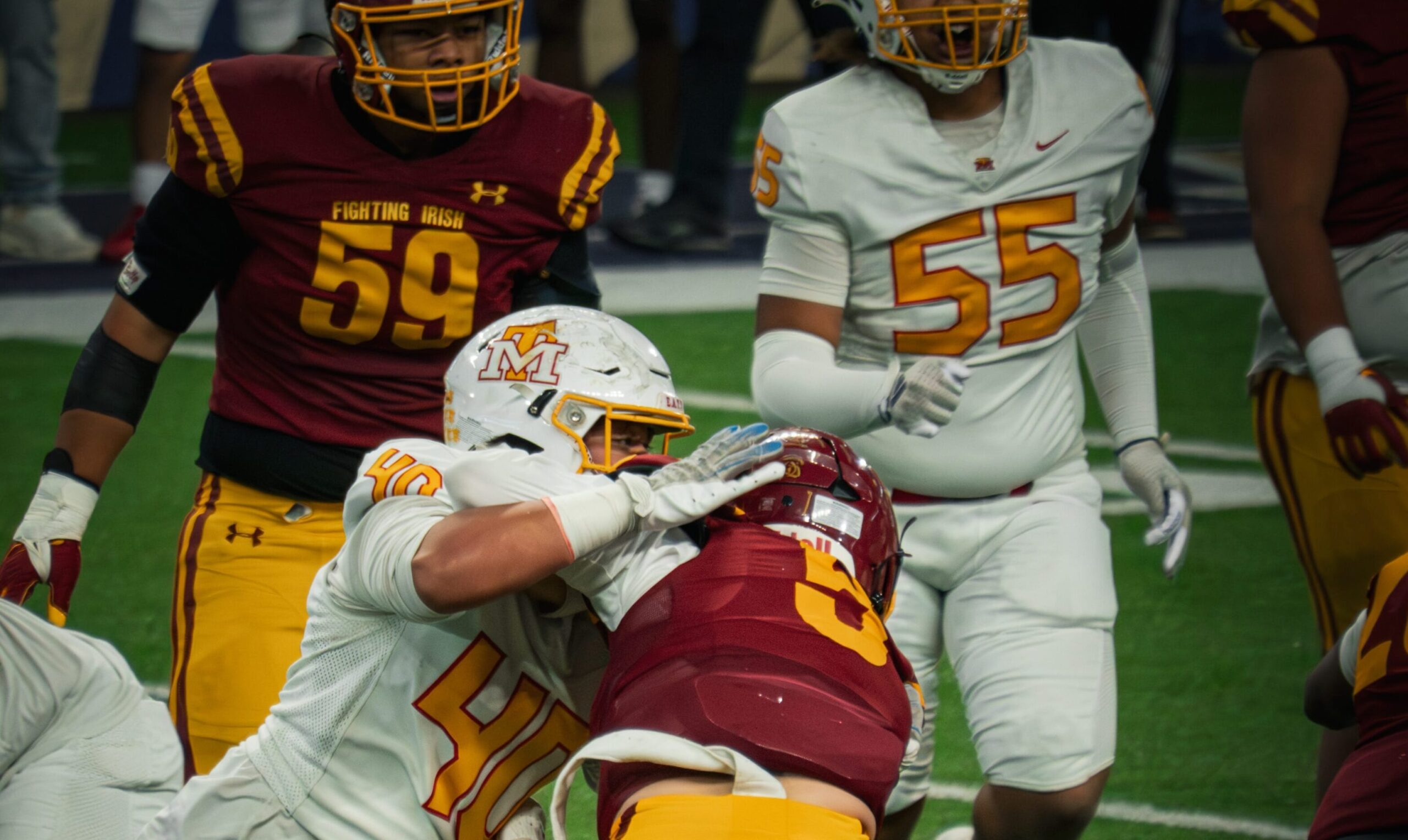
Athletes
Performance-focused care shaped around technique, load, training, and the movements your sport demands most.

Technology Professionals
Practical care for the repeated, sustained demands that technology work places on your hands, wrists, elbows, and shoulders.
Specialized Expertise
What Is a Hand to Shoulder Therapist?
A Board Certified Hand to Shoulder Therapist—commonly called a Certified Hand Therapist (CHT)—is a licensed Occupational or Physical Therapist who specializes in treating upper-extremity conditions.
That specialized training matters when your hands, arms, and shoulders are essential to your work, your performance, and the activities that make life meaningful.
What the Certification Requires
- At least 3 to 5 years of practice before certification
- A minimum of 4,000 hours in upper-limb care
- A rigorous national certification exam
- A whole-body perspective informed by Structural Medicine
Examples of Diagnoses Treated
Specialized Care for Complex Upper-Extremity Conditions.
I work with orthopedic trauma, repetitive-stress injuries, and complex upper-extremity conditions that affect the way you work, perform, and live.
- Thoracic Outlet Syndrome
- Rotator Cuff Injuries
- Cubital and Radial Tunnel Syndromes
- Tennis and Golfer’s Elbow
- Wrist and Hand Injuries
How I Begin
A Clear Path Forward.
I keep the process personal and focused so each step connects directly to what you want to get back to.
1
Consultation
Start with a conversation about what is getting in the way and what you want to return to.
2
First Session
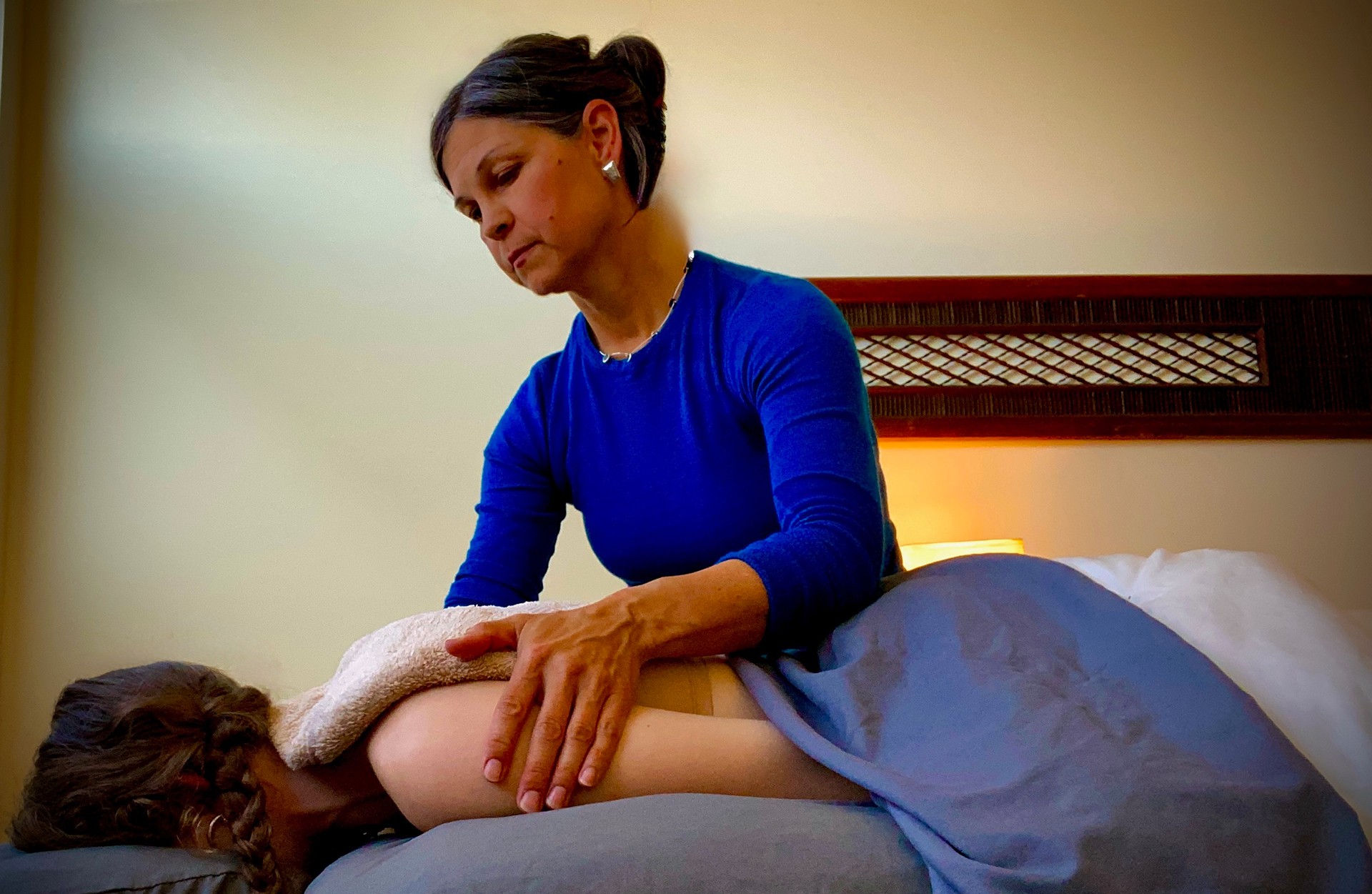
I evaluate your history, movement, daily demands, and the anatomical restrictions most relevant to your goals.
3
Personalized Plan
I shape treatment around you, combining remote guidance, hands-on care, and a focused home program when appropriate.
Ready When You Are
Let’s Talk About What You Want to Get Back To.
Start with a conversation about what is getting in the way and what meaningful progress would look like for you.